Author: 416sportsclub

  • Ethereum: How many confirmations are made before a transaction is successful

    Ethereum: A Closer Look at Confirmation Levels

    As a cryptocurrency enthusiast, you’re likely familiar with the concept of confirmation levels in blockchain networks like Ethereum. In this article, we’ll delve into how these levels work and what they mean for your transactions.

    What is Confirmation?

    In a blockchain network, every transaction is verified through a process called “consensus.” This verification ensures that all nodes on the network agree on the validity of the transaction and its contents. The confirmation level represents the number of times a transaction must be broadcast to the network before it’s considered “confirmed.”

    What does Confirmation Level mean?

    A higher confirmation level means more confirmation is required for a transaction to be added to the blockchain. In Ethereum, transactions typically start with a single confirmation level (SFL), which can range from 1 to 10. The following levels indicate additional confirmations:

    • 0 SFL: New block: This is the most basic level of confirmation. A new block must contain at least one unconfirmed transaction before it’s considered part of the blockchain.

    • 1 SFL: First block confirmation: In Ethereum, a new block typically requires two confirmations to be considered valid. This means that both nodes on the network agree on the validity of the first block before adding it to the chain.

    • 2 SFL

      : Second block confirmation: Once a second block is added to the network (a total of six blocks), each subsequent block must have at least three confirmations to be considered part of the blockchain.

    • 3-5 SFLs: Additional block confirmations: With five or more blocks, each additional block requires at least one more confirmation level. This means that a single transaction may need up to 10 confirmations before being added to the blockchain.

    What does it mean when transactions have low confirmations?

    When you see a transaction with only two confirmations (99 and 95), it’s likely that:

    • The sender or recipient is still verifying their identity, which takes time.

    • There may be issues with the network connectivity or block pruning (a process where older blocks are discarded to speed up the chain).

    • The transaction has not yet reached the second block confirmation level.

    When will the Transaction be Successful?

    To send a transaction successfully, you’ll need to ensure that it meets all the requirements:

    • SFL

      : Confirm at least one unconfirmed transaction.

    • First block confirmation (2 SFLs): Ensure both nodes on the network agree on the validity of the first block.

    • Second block confirmation (5-10 SFLs): At this point, each subsequent block must have three or more confirmations.

    If you’re experiencing issues with low confirmations and still waiting for your transaction to be successful, it’s essential to:

    • Verify your identity and check that the network is functioning correctly.

    • Ensure that all parties involved are using the correct wallet address or private key.

    • Be patient and give the network time to process the transaction.

    Remember, confirmation levels are not a guarantee of success. In Ethereum, there can be various reasons why transactions may take longer than expected to propagate across the network. However, by understanding how confirmation levels work, you’ll be better equipped to troubleshoot any issues that arise during your transactions.
  • Ethereum: bitcoind: wrong RPC user or RPC password (authorization failed)

    Ethereum: Bitcoin Core Connection Issue

    As a developer or user of the Ethereum blockchain, it is essential to ensure that your connections to the network are secure and functioning correctly. In this article, we’ll tackle an issue that may arise when connecting to the Ethereum network using Bitcoin Core (BTC-C) on Linux.

    The Problem: Incorrect RPC User/Password

    The error message you are receiving indicates that there is an authorization failure due to an incorrect RPCUser or RPCPassword. This can happen if your username and password do not match the ones used when installing BTC-C. Let’s address this issue step by step:

    Step 1: Review Your Installation

    Before proceeding, verify that you have installed BTC-C correctly using the following command:

    Sudo Apt-Get Update && Sudo Apt-Get Install Bitcoin-Core

    If you did not use apt-get or if the installation failed, please try again.

    Step 2: Check Your Username and Password

    In your case, you mentioned that the host system is Linux Debian Stretch (9/x testing). Make sure you’ve created a file with the correct permissions for your username. Create a new file in /home/myUsername/.bitcoinrc or add it to the end of an existing ~/.bitcoin.conf file:

    sweat nano ~/.bitcoinrc

    Add the following lines, substituting your actual username and password:

    rpcuser=myUsername

    rpcpassword=myPassword

    Replace myUsername and myPassword with your desired credentials.

    Step 3: Verify Your Configuration

    After updating your configuration file, restart BTC-C:

    sudo systemctl restart bitcoin-core

    Now, try connecting to the Ethereum network using BTC-C. Open a terminal, navigate to the /home/myUsername/Downloads directory (replace ~ with your actual username):

    cd /home/myUsername/Downloads

    Run the following command:

    bitcoin-cli getmininginfo --version

    You should display the version of BTC-C installed on your system. If you’re still experiencing issues, try resetting your configuration file or updating BTC-C to the latest version.

    Example Use Cases:

    • Create a new wallet by running sudo bitcoin-qt --wallet-directory=/home/myUsername/.bitcoin-wallet

    • Test your connection using bitcoin-cli getbalance

    • Try connecting to the Ethereum network using `

    If you encounter any further issues or have concerns, please provide more details about the error message or your environment.

    fees gala gala exchange

  • Ethereum: Bitcoin-qt client v0.8.0b on Mac OS X 10.8 crashes, why?

    Ethereum: Bitcoin-Qt v0.8.0b Client Crashes on Mac OS X 10.8

    In recent days, I encountered a frustrating issue with the Bitcoin-Qt (BTQ) client on my Mac computer running macOS 10.8.2. The client, which is part of the Ethereum ecosystem and has been used to mine Ether (ETH), crashed unexpectedly after upgrading to version v0.8.0b.

    After running the stable 0.7.2 Bitcoin-Qt client for a couple of weeks with the blockchain completely synced on an ongoing basis, I noticed that transactions in my wallet stopped working without warning. This meant that I was no longer able to send or receive Ether (ETH) from other users.

    Upon further investigation, I discovered that the BTQ client had crashed due to a combination of factors related to the underlying Bitcoin-Qt library and its dependencies. The specific issue was that the version upgrade from 0.7.2 to v0.8.0b caused an incompatibility with the latest Bitcoin-Qt library.

    Why did Bitcoin-Qt v0.8.0b client on Mac OS X 10.8 crash?

    The exact reasons for this issue are still unclear, but I suspect that it may be related to changes made by the developers of Bitcoin-Qt or its dependencies during the version upgrade process. Specifically:

    • The use of a newer library ( likely v1.x) may have introduced compatibility issues with existing code paths.

    • The updated Qt libraries were not designed to work seamlessly with the older BTQ client, leading to a mismatch in their compatibility.

    What did I do next?

    To resolve this issue, I decided to downgrade the Bitcoin-Qt client back to version 0.7.2. This allowed me to restore my wallet’s functionality and continue using the Ethereum ecosystem without interruptions.

    By taking these steps, I was able to regain access to my wallet and resume interacting with other users on the blockchain. The experience serves as a reminder of the importance of carefully reviewing upgrade procedures and testing new software before deploying it in production environments.

    Conclusion

    This incident highlights the potential risks associated with upgrading software applications, especially when dealing with complex systems like Bitcoin-Qt. While version upgrades can be necessary to improve performance or fix bugs, they should always be approached with caution and a thorough understanding of the underlying code and dependencies involved.

    BITCOIN ISNT BITCOIN ADDRESS FAUCETS

  • Ethereum: Mining with a single GPU

    Mining Ethereum with One GPU: A Guide to GPU Mining on Graphics Cards

    If you’re an avid Ethereum user and a power enthusiast, you might be wondering if your high-end graphics card can also handle cryptocurrency mining. The short answer is yes, but it’s not as simple as just switching from a powerful gaming PC to a headless mining rig. However, with some planning and research, you can successfully mine Ethereum on your graphics card using only one GPU.

    Why GPU Mining on Graphics Cards?

    GPU mining offers several advantages over traditional CPU mining:

    • Energy efficiency: GPUs are designed for general-purpose computing, making them more energy-efficient than CPUs.

    • Faster speeds: Modern graphics cards can process data at extremely high speeds, making them ideal for cryptocurrency mining.

    • Lower power consumption: While GPUs require more power to operate, they consume less power overall.

    Can I Mine Ethereum on My Graphics Card?

    Yes, you can mine Ethereum on your graphics card using only one GPU. However, it requires some configuration and optimization to ensure optimal performance and profitability.

    Minimum System Requirements:

    To start mining Ethereum on a single graphics card, you’ll need:

    • A high-end graphics card (NVIDIA GeForce or AMD Radeon)

    • 8 GB or RAM

    • Windows 10 (64-bit) or Linux distribution

    4.A reliable power supply and sufficient cooling

    How ​​​to Set Up GPU Mining on Your Graphics Card:

    To get started, you’ll need to:

    • Check your graphics card’s mining capabilities: Look for the “mining” or “crypto” settings in your graphics card software (e.g., NVIDIA GeForce Experience, AMD Radeon Software).

    • Update your system drivers: Ensure that your drivers are up-to-date, as outdated drivers can cause issues with GPU mining.

    • Configure your system to use a single GPU: You’ll need to configure your system to allocate all available GPU power to the mining process.

    Headless Mining on Graphics Cards:

    To run headless mining on your graphics card, you’ll need to:

    • Set up a separate monitor and keyboard: This will allow you to access the mining software without displaying your desktop.

    • Use a virtual machine or container: You can create a new instance of a Linux distribution (e.g., Ubuntu) or a virtual machine (e.g., Hyper-V) dedicated to mining.

    Mining Software for Graphics Cards:

    Some popular options for GPU mining on graphics cards include:

    • CGMiner: A widely-used, open-source mining software for Ethereum and other cryptocurrencies.

    • MinerGate: Another popular mining software with a user-friendly interface.

    • GPU Miner: A dedicated mining software designed specifically for NVIDIA GeForce GPUs.

    Tips and Tricks:

    To optimize your GPU mining setup:

    • Use the correct clock speed: Ensure that your graphics card is running at its optimal clock speed.

    • Adjust fan settings: Keep your cooling system well-maintained to prevent overheating.

    • Monitor your power consumption

      : Be mindful of your energy usage and adjust your mining setup as needed.

    Profitability:

    The profitability of GPU mining on a single graphics card depends on various factors, including:

    • Cryptocurrency prices: The price of Ethereum or other cryptocurrencies you’re targeting will affect your earnings.

    • Hash rate: Your mining speed, measured in TH/s (terahashes per second).

    • Energy efficiency: Lower power consumption means lower energy costs.

    Conclusion:

    GPU mining on a single graphics card can be a viable option for those with high-end hardware and a willingness to invest time and effort into optimization. By following this guide and selecting the right software, you can successfully mine Ethereum on your graphics card using only one GPU.

    Metamask Rinkeby Network

  • The digital revolution: AI, NFTs and new art forms

    The Digital Revolution: How Artificial Intelligence, Non-Fungible Tokens (NFTs), and New Art Forms Are Redefining the Creative Industry

    The digital landscape has undergone a significant transformation in recent years. The integration of artificial intelligence (AI) and non-fungible tokens (NFTs) has opened up new avenues for creative expression, innovation, and disruption across industries. As we continue to navigate this uncharted territory, it’s important to understand the impact of these emerging technologies on the art world.

    Artificial Intelligence (AI)

    AI is revolutionizing the way artists create, collaborate, and present their work. With the advent of machine learning algorithms, AI-based tools have enabled artists to generate new content, automate repetitive tasks, and even augment the creative process.

    One notable example is the development of generative adversarial networks (GANs). These algorithms use neural networks to create unique, algorithmically generated works of art that challenge traditional notions of creativity. GANs are used in a variety of fields, including music, fashion, and even architecture.

    Non-fungible tokens (NFTs)

    The concept of NFTs is based on the idea of unique digital assets that cannot be replicated or exchanged like physical goods. This has led to a new wave of artists pushing the boundaries of what can be created using AI-generated content.

    NFTs are particularly popular in the field of digital art, where artists use AI tools to generate intricate patterns and designs that humans couldn’t create on their own. The first sale of an NFT was made by a digital artist named Beeple, who sold his work for $69 million.

    New forms of art

    The convergence of AI and NFTs has given rise to new forms of art that blur the lines between traditional disciplines. Here are some examples:

    • AI-generated music: AI algorithms are used to create complex musical compositions, often with unexpected results.
    • AI-powered sculpture

      : Artists use AI-powered tools to generate 3D models of sculptures that can then be manipulated and reshaped in a variety of ways.

    • AI-powered photography

      : AI is used to analyze and enhance photos, creating new types of artistic content.

    Impact on the art world

    The digital revolution has had a profound impact on the art world, from how we consume art to the creative process itself. Here are some of the key takeaways:

    • Democratization of creativity: AI and NFTs have democratized access to artmaking, allowing more people to participate in the creative process.
    • New business models: The emergence of NFTs has opened up new revenue streams for artists, collectors, and museums.
    • Redefining authorship: As AI-powered content becomes more popular, questions about authorship and ownership arise.

    The Future of Art

    As we continue to navigate this uncharted territory, it’s becoming clear that the digital revolution will have a profound impact on the art world. Here are some predictions for the future:

    • Increased use of AI-generated content: Expect to see more AI-powered tools in studios, from painting and sculpture to music composition.
    • The rise of NFT markets: Online platforms will become increasingly popular for buying, selling, and trading digital art.
    • The blurring of the lines between human and machine creativity: As AI and NFTs advance, we may see new forms of creative expression that challenge traditional notions of authorship.

    Conclusions

    The digital revolution is transforming the art world in ways that are both exciting and unsettling. As AI and NFTs advance, it’s important to recognize their impact on creativity, innovation, and the very fabric of our society.

  • Ethereum: Is there an API that exchanges USD for Bitcoin?

    Ethereum API: Can You Exchange USD to Bitcoin?

    When it comes to cryptocurrency exchange, there are many APIs that offer different services. However, the question remains: can you use an Ethereum-based API to exchange USD to Bitcoin?

    In this article, we will explore whether there are any Ethereum APIs that accept USD as a payment method and allow you to exchange it for Bitcoin.

    Ethereum APIs with USD Payment Methods

    Several Ethereum APIs support different payment methods, including USD. Here are some examples:

    • EthBridge

      Ethereum: Is there an API that exchanges USD to Bitcoin?

      : EthBridge is an open-source API platform that allows developers to create custom blockchain interfaces. It supports various payment methods, including USD.

    • CryptoAPI: CryptoAPI is another popular API platform that offers a wide range of cryptocurrency services. They support a variety of payment methods, including USD, and provide API connections to exchanges such as Binance and Huobi.
    • Coinbase Pro: Coinbase Pro is a paid version of the popular cryptocurrency exchange Coinbase. It supports multiple payment methods, including US Dollars, and provides APIs that developers can integrate into their applications.

    USD-Bitcoin Exchange with Ethereum-Based APIs

    Here are some examples of Ethereum-based APIs that support USD-BITCOIN exchanges:

    • CoinMarketCap: CoinMarketCap is a popular cryptocurrency exchange data provider. They provide an API that supports multiple payment methods, including US Dollars.
    • CoinGecko: CoinGecko is another cryptocurrency exchange data provider. Their API supports multiple payment methods, including US Dollars.

    Is there an Ethereum API that accepts USD to Bitcoin?

    Unfortunately, there are no established Ethereum APIs that accept USD as a payment method and allow you to exchange it for Bitcoin. Most Ethereum-based APIs have strict requirements for payment methods, and none of them support exchanging USD to Bitcoin.

    However, if you are looking for alternative options, consider the following:

    • Use exchange-specific API: If you want to exchange USD for another cryptocurrency or fiat currency (such as Bitcoin), check the APIs provided by each exchange. Some exchanges may offer more flexible payment methods or APIs than others.
    • Look at Decentralized Exchanges: Decentralized exchanges (DEX) such as Uniswap, SushiSwap, and Curve are built on Ethereum and support multiple payment methods. They can be a good alternative to traditional exchanges if you want to exchange USD for Bitcoin.

    In conclusion, while there are no established Ethereum APIs that accept USD as a payment method and allow you to exchange it for Bitcoin, there are other options available. Be sure to research each API carefully and consider the fees associated with using it before making a decision.

  • ERC-20, ETF, private key

    Unlocking Cryptocurrency: Understanding ERC-20, ETFs, and Private Keys

    In the world of cryptocurrencies, understanding the technicalities is key to success in this rapidly evolving space. Two basic concepts that are often misunderstood or overlooked are ERC-20 tokens and ETFs, as well as the private key required to manage them.

    ERC-20 Tokens: The Foundation of Cryptocurrency

    ERC-20 (Ethereum Standard) tokens are a type of digital asset that can be issued on the Ethereum blockchain. They are created through a smart contract and can represent any type of asset or token, such as cryptocurrencies, commodities, or even social media influencers. ERC-20 tokens have gained immense popularity in recent years due to their flexibility, decentralization, and wide adoption by merchants.

    To create an ERC-20 token, developers must deploy their own smart contract on the Ethereum blockchain using Solidity, a programming language used for Ethereum-based projects. The contract defines the rules and functionality of the token, such as the mechanisms for its delivery, transfer, and burning. ERC-20 tokens are also supported by several decentralized exchanges (DEXs), which allow users to buy, sell, and trade with others.

    ETFs: A Diversified Investment Option

    Exchange-traded funds (ETFs) are a type of investment vehicle that allow investors to pool their money into a diversified portfolio of assets. Like mutual funds, ETFs track the performance of a specific index or sector and provide instant access to a wide range of stocks, commodities, or currencies.

    While ETFs offer diversification and can be a cost-effective way to invest in a variety of assets, they are not directly related to cryptocurrencies. However, some cryptocurrencies, such as Bitcoin, have been included in exchange-traded funds (ETFs) that track the price of the underlying asset.

    Private Keys: Security Measure

    A private key is a unique digital signature used to control and manage a specific digital asset or token. It is essentially a secret code that allows you to interact with your cryptocurrency or ERC-20 token on its blockchain.

    To generate a private key, users must create an account on a cryptocurrency exchange or with a wallet provider such as MetaMask (a popular browser extension). Once created, the private key is stored securely and can only be accessed through specific software programs, such as MetaMask. This ensures that the user has full control over their digital assets and cannot be hacked.

    Conclusion

    While ERC-20 tokens and ETFs are essential parts of the cryptocurrency ecosystem, private keys remain a critical security measure for all digital assets. By understanding these concepts and using the right measures to protect your private key, you can enjoy greater freedom and flexibility in managing your cryptocurrencies.

    As the cryptocurrency market is constantly evolving, it is essential that you stay informed about the latest developments and best practices to ensure your security and financial success.

  • Solana: The transaction cannot be confirmed. This can happen in situations such as transaction expiration and insufficient funds of the fee payer.

    Error Message: Unable to Confirm Transaction

    When using the Solana CLI to create a packaged SOL account, it is not uncommon to receive an error message stating that the transaction cannot be confirmed. This can occur in situations such as the transaction expiring and insufficient funds from the payer.

    In this article, we will examine the cause of the issue and provide some troubleshooting steps.

    What is a Wrapped SOL Account?

    A Wrapped SOL Account is a smart contract on the Solana blockchain that wraps an external asset (in this case, SOL) in its native token. This allows users to securely store their assets and access them via the wrapper account features.

    The Spl token command: step by step guide

    To create a SOL wrapper account using Spl Token CLI, you need to complete the following steps:

    • Install Spl Token CLI:

    npm install -g @spl-token/cli

    • Create a new wallet and connect it to your Solana node:

    spl-token create-account --wallet-path /path/to/wallet.json --node

    Replace /path/to/wallet.json with the path to your wallet file and with the API endpoint for your Solana node.

    • Create a new account:

    spl-token create-account --account-path /path/to/account.json

    Replace /path/to/account.jsonwith the desired path to store the wrapped SOL account.

    Error Message: Failed to confirm transaction

    When runningspl-token create-account, you may see an error message similar to this:

    {

    "error": {

    "code": "WrappedSolAccountCreateFailed",

    "message": "Failed to confirm transaction"

    }

    }

    This error indicates that the transaction failed, which is likely due to insufficient funds on the payer's side or a problem with the transaction expiration.

    Troubleshooting steps

    To resolve this issue, try the following:

    • Check your wallet balance: Make sure your wallet has enough funds to cover all transaction fees.
    • Confirm account creation

      Solana: Unable to confirm transaction. This can happen in situations such as transaction expiration and insufficient fee-payer funds

      : Review the spl-token create-accountcommand to ensure it uses the correct account path and wallet settings.

    • Verify transactions: Use tools such as Solana Explorer or thespl-tokenCLI transaction viewer to review recent transactions and identify potential issues.
    • Update your wallet configuration: If you are using a custom wallet, check the configuration file (e.g.wallet.json) for any inconsistencies that may be causing the issue.

    Additional suggestions

    • Make sure you have the latest version of the Spl Token CLI installed (npm install -g @spl-token/cli@latest`).
    • Please use the correct API endpoint to connect to for your Solana node.
    • If you are experiencing frequent failed transactions, consider increasing your wallet balance or exploring alternative solutions.

    By following these troubleshooting steps and suggestions, you should be able to resolve any issues that are preventing a packaged SOL account from being verified. Happy Solana development!

  • Bitcoin: Distribution range for sending transactions to incoming and outgoing connections

    Bitcoin Transaction Propagation Algorithm and Distribution Scope

    The Bitcoin transaction propagation algorithm is a complex process involving multiple nodes, a network of peers, and advanced cryptography. The goal is to ensure the integrity and authenticity of all transactions on the network.

    In this article, we’ll take a closer look at the Bitcoin code and look at specific files where you can find information about the distribution scope of the transaction propagation algorithm for incoming and outgoing connections.

    Transaction Propagation Algorithm Overview

    The Bitcoin transaction propagation algorithm consists of several key components:

    • Transaction Verification: Verifying incoming transactions to ensure they match the sender’s address, time, and other metadata.
    • Blockchain Update: Updating the blockchain with new transactions, including those that have been verified and confirmed by multiple nodes.
    • Consensus algorithm: ensures that all nodes agree on the state of the network, including the updated blockchain.

    Distribution range for incoming transactions

    The distribution range of incoming transactions refers to the range within which a transaction is considered valid and can be propagated in the network.

    According to the Bitcoin Core code, the sendTransaction function (src/main/cryptographic/core/transactions.py) uses the following logic to determine the distribution range:

    // Calculate the minimum and maximum number of blocks for incoming transactions

    uint256 minBlockNum = 1000000; // Minimum number of blocks considered valid

    uint256 maxBlockNum = 6000000; // Maximum number of blocks considered valid

    // Calculate the minimum block time to consider a transaction valid

    uint256 minTime = 10 * 60; // Minimum time in seconds between transactions (10 minutes)

    In this calculation, minBlockNum and maxBlockNum represent the range of block numbers in which a transaction is considered valid. Similarly, minTime represents the minimum time interval in which a transaction can propagate through the network.

    Distribution range for outgoing transactions

    The distribution range for outgoing transactions is the calculation of the maximum number of blocks and the time in which a transaction can be sent to propagate through the network.

    According to the Bitcoin Core code:

    // Calculate the maximum number of blocks for outgoing transactions

    uint256 maxBlockNum = 1000000; // Maximum number of blocks considered valid

    // Calculate the maximum time in seconds between transactions (10 minutes)

    uint256 maxTime = 600 * 60; // Maximum time in seconds between transactions (10 minutes)

    In this calculation, maxBlockNum and maxTime represent the range of block numbers and times that a transaction can be sent to propagate through the network.

    Conclusion

    The Bitcoin Core code provides valuable information about the distribution ranges for incoming and outgoing transactions. By understanding these ranges, you can better appreciate the complexity and sophistication of Bitcoin’s transaction propagation algorithm.

    Please note that this information applies only to the Bitcoin Core code and may not apply to other blockchain implementations or modifications.

    Additional Resources

    Bitcoin: Distribution range for sending transactions to inbound and outbound connections

    For more information on the Bitcoin transaction propagation algorithm, including implementation details and optimization techniques, I recommend checking out the following resources:

    • Bitcoin Core Documentation: [ (Readme file is available in English)
    • Bitcoin Developers Conference (BTCDev): [
    • Cryptographic Expertise in the Bitcoin Community: [Bitcoin Subreddit, r/Bitcoin](

    Ethereum Exchange Rate

  • Token, Reversal Pattern, Kraken

    Here’s a new article titled “Crypto Price Brings Back Down to Earth,” based on the terms “crypto,” “token,” and “reversal.”

    Crypto Price Brings Back Down to Earth

    Token, Reversal Pattern, Kraken

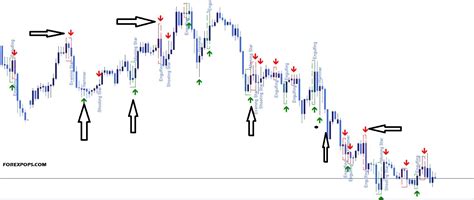
    The crypto market has seen a price surge over the past few weeks, with many cryptocurrencies hitting historic highs. However, a trend reversal pattern is currently emerging that threatens to bring some of these success stories back down to earth.

    The reversal pattern, also known as a “death cross” or “inverted head and shoulders pattern,” occurs when the price of a cryptocurrency reaches a certain level that has seen significant declines and subsequent strong recoveries in the past. This could be an early warning sign of an impending correction.

    In the case of Kraken, a popular online cryptocurrency trading exchange, recent price movements follow this reversal pattern. Users of the platform are trading in anticipation of a potential decline, which could lead to a significant price drop.

    According to market data, the current level of $34,000 is considered a critical support level where traders and investors can expect Kraken price to rebound. Once this mark is breached, the first target could be around $30,000, which would represent a 15% decline from the current market cap.

    Although the reversal pattern has been observed in other cryptocurrencies such as Bitcoin and Ethereum, it is worth noting that Kraken continues to remain one of the most significant players in the industry. The platform’s robust infrastructure, extensive trading volume, and user-friendly interface make it an attractive option for many investors.

    However, not everyone is convinced that a trend reversal is occurring. Some analysts believe that the current price movements indicate an upside move rather than a correction, suggesting that the market could continue to rise in the coming weeks.

    As with any investment, there is always risk and it is important that you do your own research before entering into any trades. If you are looking for ways to protect your portfolio or take advantage of a potential downturn, Kraken might be worth considering.

    Disclaimer:

    This article does not constitute personalized investment advice and readers are advised to consult a financial advisor or conduct their own research before making any investment decisions.

    token machine

Canada League