Author: 416sportsclub

  • Innovative Tokenomics: How AI is Reshaping the Landscape

    Innovative Tokenomics: How Artificial Intelligence is Revolutionizing the World of Blockchain and Beyond

    The world of blockchain technology has seen tremendous growth in recent years, with new applications and innovations emerging every day. One area that has been particularly exciting is tokenomics, the study of how tokens are created, distributed, and used within a blockchain-based system. In this article, we’ll take a deep dive into the role of AI in shaping innovative tokenomics, and explore its potential to transform various industries.

    What is Tokenomics?

    Tokenomics refers to the mathematical modeling and analysis of token distribution within a blockchain network. It involves understanding how tokens are created, used, and traded, as well as how their value is determined. The field has gained significant attention in recent years due to the increasing complexity and sophistication of blockchain networks.

    The Rise of AI in Tokenomics

    Artificial intelligence (AI) has been playing an increasingly important role in tokenomics, enabling faster, more efficient, and more accurate analysis of token behavior. Here are some ways AI is transforming the field:

    • Predictive Modeling: AI algorithms can analyze vast amounts of data from blockchain transactions, market trends, and other sources to predict token price movements. This enables investors to make informed decisions about their portfolios.

    • Automated Trading: AI-powered trading platforms can automatically buy or sell tokens based on predefined rules, reducing the risk of human error and increasing liquidity in markets.

    • Token Identification: AI algorithms can identify unique characteristics of different tokens, such as supply, demand, and market capitalization, providing valuable insights for investors and traders.

    • Network Analysis: AI can analyze network topology, identifying potential bottlenecks and areas of high congestion, which can impact token efficiency.

    AI in the Finance Industry

    The finance industry is one of the most significant sectors to benefit from AI-powered tokenomics. Here are some examples:

    • Risk Management: AI algorithms can analyze large datasets from financial institutions to identify potential risks, such as credit default swaps or market volatility.

    • Portfolio Optimization: AI can optimize investment portfolios by identifying opportunities for diversification and hedging strategies, reducing portfolio risk while maximizing returns.

    • Liquidity Provision: AI-powered trading platforms can provide instant liquidity in markets, enabling rapid transactions and minimizing market disruption.

    AI in Healthcare

    The healthcare industry is another sector that has benefited significantly from AI-powered tokenomics:

    • Precision Medicine: AI algorithms can analyze medical data to identify high-risk patients and predict disease progression, enabling personalized treatment plans.

    • Medical Research: AI can analyze vast amounts of medical literature and genomic data to identify new therapeutic targets and develop more effective treatments.

    • Clinical Trials: AI-powered platforms can monitor clinical trial outcomes in real-time, reducing the risk of adverse events and improving patient safety.

    The Future of Tokenomics

    As AI continues to advance, we can expect to see even more innovative applications of tokenomics across various industries:

    • Decentralized Finance (DeFi): AI will play a critical role in DeFi platforms, enabling faster, more efficient, and more secure financial transactions.

    • Digital Assets

      Innovative Tokenomics: How AI is Reshaping the Landscape

      : AI-powered platforms will enable the creation of new digital assets, such as decentralized autonomous organizations (DAOs) and token-governed projects.

    3.

    Metamask Tokens Wallet

  • How AI is shaping the future of cryptocurrencies

    How ​​Artificial Intelligence is Revolutionizing the Cryptocurrency World

    The rise of cryptocurrency has been meteoric in recent years, with many investors and enthusiasts embracing the digital world as a new frontier for financial transactions. But as the market continues to grow and mature, one technology that is gaining significant attention is artificial intelligence (AI). In this article, we will explore how AI is shaping the future of cryptocurrency.

    Artificial Intelligence: The Next Big Thing in Crypto

    AI has been around for decades, but its applications are just beginning to emerge across various industries. In the context of cryptocurrency, AI offers a unique combination of speed, scalability, and security, making it an attractive solution for decentralized transactions. Here are some key ways in which AI is impacting the cryptocurrency world:

    • Smart Contracts: One of the most important uses of artificial intelligence in cryptocurrency is smart contracts. These self-executing contracts with the terms of the agreement written directly into lines of code allow for the automatic exchange of assets, eliminating the need for intermediaries such as exchanges and payment processors.
    • Predictive Analytics: Predictive analytics tools powered by artificial intelligence help cryptocurrency traders predict price movements, identify trends, and optimize their investment strategies. By analyzing large amounts of market data, these algorithms can forecast potential buy or sell signals, allowing users to make more informed decisions.
    • Machine Learning: Machine learning algorithms are applied to various aspects of cryptocurrency trading, from risk management to portfolio optimization. These AI-powered systems analyze large data sets and identify patterns that human analysts would be unable to detect on their own.

    Benefits of Artificial Intelligence in Cryptocurrency

    So why has AI become such an attractive solution for the cryptocurrency industry? The benefits are numerous:

    • Increased Efficiency: AI-powered tools automate many mundane tasks, freeing traders and investors from tedious data entry, research, and analysis.
    • Improved Accuracy

      How AI is Shaping the Future of Cryptocurrency

      : AI algorithms can process large amounts of market data with incredible speed and accuracy, allowing users to make more informed decisions.

    • Improved Security: AI is a robust security system that is resistant to hacking attempts and ensures the integrity of cryptocurrency transactions.

    The Future of Cryptocurrency: A Key Role for AI

    As the world of cryptocurrency continues to evolve, one thing is clear: AI will play an increasingly important role in shaping its future. Here are some predictions:

    • Increased Adoption: As more users become familiar with AI-powered tools and services, we can expect to see increased adoption across various aspects of cryptocurrency, from trading platforms to decentralized applications.
    • Rise of DeFi: Decentralized finance (DeFi) is a key area where AI will have a significant impact. AI-powered tools are already being used to optimize risk management, liquidity provision, and other critical functions within DeFi platforms.
    • Blockchain Integration: As blockchain technology becomes more popular, we can expect to see increased integration of AI across various aspects of cryptocurrency, from smart contract development to decentralized governance models.

    Future Challenges

    While AI offers tremendous potential for the cryptocurrency world, there are also challenges that need to be addressed:

    • Regulatory Frameworks: The regulatory landscape is still evolving, and ensuring compliance with existing regulations will require significant investments in infrastructure and training.

    2.

    lido staked ether digital

  • Ethereum: Why did BitcoinEXpress plan a 51% attack on Namecoin?

    I would be happy to help you understand the article and the technical concepts involved. I should point out, however, that there are no specific articles that can provide a complete answer.

    The text appears to have come from a Reddit post or similar online forum where someone is asking about Ethereum, BitcoinEXpress, Namecoin, ArtForz, Gavin’s patch, and the 51% attack. Here’s a breakdown of the key concepts:

    Ethereum:

    Ethereum is an open-source, decentralized platform that enables the creation of smart contracts and decentralized applications (dApps). It uses a unique consensus algorithm called Proof of Work (PoW) to secure its network.

    BitcoinEXpress:

    BitcoinEXpress is a cryptocurrency exchange that allows users to buy, sell, and trade various cryptocurrencies, including Bitcoin. The post mentions a 51% attack on Namecoin, which I will explain later.

    Namecoin:

    Namecoin is a blockchain-based cryptocurrency that uses the Monero (XMR) protocol for its consensus algorithm. It is often used as a testbed or proof of concept for new cryptocurrencies and protocols.

    ArtForz modified the exploit:

    This term appears to refer to a specific type of exploit, but I have been unable to find any information on what it is or how it works. It is possible that the author is referring to an unknown or outdated exploit, or perhaps it was simply a made-up term.

    Gavin’s patch won’t work for exchanges:

    This statement suggests that Gavin (possibly referring to Gavin Andresen, the creator of Bitcoin) has developed a patch or fix for a security vulnerability on cryptocurrency exchanges. The phrase “won’t work” implies that this patch is not sufficient or effective in solving the problem.

    51% Attack:

    A 51% attack is a type of distributed attack in which an attacker controls more than half of the network’s mining power (or other computing resources). In the context of BitcoinEXpress, this likely refers to a situation where an attacker manages to compromise the exchange and uses its mining power to mine new coins or disrupt its normal operation.

    To summarize, the article asks questions about Ethereum, Namecoin, ArtForz’s modified exploit, Gavin’s patch (which might not work), the 51% attack, and other technical concepts. If you have specific questions or want more information on these topics, feel free to ask!

    Crypto Crypto Compliance Game Changer

  • Metamask: Logo not appearing on metamask

    Metamask logo not showing despite adding native coin

    As a user of the popular cryptocurrency exchange platform MetaMask, you are probably no stranger to seamless integration with various blockchain projects. However, some users have reported that they have encountered an issue where their native coin logo is not showing up on the MetaMask interface.

    In this article, we will delve into the possible causes and solutions to this issue, helping you resolve the issue quickly and effectively.

    Problem Analysis

    There could be several reasons why your native coin logo is not showing up on MetaMask. Here are some possible explanations:

    • Token ID Mismatch: The first possibility is that your native coin’s Token ID does not match the ID used by MetaMask for identification.
    • Incorrect token name or symbol: Double-checking the token name and symbol in MetaMask may reveal an inconsistency, which may result in the logo not being displayed.
    • Incorrect icon URL: The native coin icon URL may be incorrect, causing the logo to not load.

    Solution

    Try the following steps to resolve this issue:

    • Check token ID and name/symbol: Make sure the token ID of your native coin matches the token ID used by MetaMask in your account settings or in the blockchain explorer.
    • Check icon URL: Double-check the icon URL provided for your native coin in the blockchain explorer to confirm that it is correct. You can copy and paste the URL into your browser to verify.
    • Update MetaMask Settings: If the issue persists, you may need to update the MetaMask settings associated with your native coin. This includes setting the token ID and updating the settings associated with the token.

    Troubleshooting Tips

    • Make sure you have the latest version of MetaMask installed on your device.
    • Make sure your account is properly set up in MetaMask and your native coin is listed as a supported device.
    • If you are using an offline wallet or other blockchain explorer, try switching to the MetaMask interface associated with your native coin.

    Conclusion

    If none of the above steps resolve the issue, there may be a more complex issue at hand. In such cases, you can do the following:

    • Contact MetaMask Support: Contact the MetaMask support team if you need help and guidance to resolve the issue.
    • Check your blockchain explorer: To ensure accuracy, check your native coin token information on a reputable blockchain explorer like Etherscan or Blockscout.

    By following the troubleshooting steps below, you should be able to resolve the issue with your native coin logo not showing on MetaMask.

    total supply bear volumes

  • Krvip 카지노 온라인 한국에서 제공하는 최고의 플랫폼 기능과 혜택 안내

    Krvip 카지노 온라인 한국에서 제공하는 최고의 플랫폼 기능과 혜택 안내

    Krvip win의 세계로 빠져보세요! Krvip 사이트는 한국 플레이어들을 위한 최고의 온라인 카지노 플랫폼입니다. Krvip 비슷한 사이트를 찾고 계신가요? 더 이상 찾을 필요 없습니다. Krvip 환전은 빠르고 안전하며, Krvip 먹튀 걱정은 이제 그만!

    Krvip는 다양한 게임과 함께 Krvip 꽁머니 이벤트로 여러분을 환영합니다. Krvip 토토와 함께 스포츠 베팅의 짜릿함을 느껴보세요. 또한, Krvip 계열사를 통해 더 많은 혜택을 누릴 수 있습니다. Kr vip와 함께라면 승리의 기회가 여러분을 기다립니다!

    Krvip 카지노의 독특한 매력

    Krvip 카지노는 한국 플레이어들에게 특별한 경험을 제공합니다. 아래는 Krvip만의 독보적인 매력을 소개합니다.

    • krvip 환전: 빠르고 안전한 환전 시스템으로 언제든지 편리하게 자금을 관리할 수 있습니다.
    • kr vip: VIP 전용 혜택과 맞춤형 서비스로 최고의 만족감을 느낄 수 있습니다.
    • krvip 꽁머니: 신규 회원을 위한 꽁머니 혜택으로 부담 없이 게임을 시작해보세요.
    • krvip win: 높은 승률과 다양한 게임 옵션으로 즐거운 승리를 경험하세요.
  • krvip 사이트 : 사용자 친화적인 인터페이스로 누구나 쉽게 이용할 수 있습니다.
  • krvip 카지노: 다양한 카지노 게임과 실시간 딜러와의 대결로 현장감을 느껴보세요.
  • krvip 비슷한: 타 사이트와 비교할 수 없는 독창적인 서비스와 혜택을 제공합니다.
  • 또한, krvip 토토와 같은 스포츠 베팅 옵션과 krvip 먹튀 걱정 없는 안전한 플랫폼으로 신뢰를 쌓고 있습니다. Krvip는 단순한 카지노를 넘어, 모든 이용자에게 특별한 가치를 제공합니다.

    한국 플레이어를 위한 최적화된 서비스

    Krvip 카지노는 한국 플레이어를 위해 특별히 설계된 다양한 서비스를 제공합니다. Krvip 계열사는 국내 사용자들의 편의를 최우선으로 고려하여, 안전하고 빠른 환경을 구축했습니다.

    • Krvip 꽁머니: 신규 회원을 위한 특별 혜택으로, Krvip 꽁머니를 제공하여 부담 없이 게임을 즐길 수 있습니다.
    • Krvip 환전: 빠르고 안전한 환전 시스템으로, 언제든지 편리하게 자금을 관리할 수 있습니다.
    • Krvip 사이트: 사용자 친화적인 인터페이스와 모바일 최적화로, 어디서나 편리하게 접속 가능합니다.

    또한, Krvip 토토와 같은 다양한 게임 옵션을 통해 한국 플레이어의 취향에 맞는 선택지를 제공합니다. Krvip win 전략을 활용하여 더 많은 기회를 잡아보세요.

  • Krvip 먹튀 검증 시스템으로 안전성을 보장합니다.
  • Krvip 비슷한 플랫폼과 비교해도 뛰어난 서비스 품질을 자랑합니다.
  • Krvip 계열사의 전문 고객 지원팀이 24/7 도움을 제공합니다.
  • Krvip 카지노는 한국 플레이어를 위한 최적의 환경을 제공하며, 즐겁고 안전한 게임 경험을 약속합니다.

    다양한 게임 선택과 높은 품질

    Krvip 카지노는 다양한 게임 선택으로 플레이어들에게 최고의 경험을 제공합니다. Kr vip 플랫폼에서는 슬롯, 블랙잭, 룰렛, 포커 등 다양한 카지노 게임을 즐길 수 있으며, 모든 게임은 최신 기술로 구현되어 높은 품질을 자랑합니다.

    Krvip 비슷한 사이트들과 비교해도 탁월한 그래픽과 원활한 게임 진행으로 많은 이용자들에게 사랑받고 있습니다. 또한, Krvip 꽁머니 이벤트를 통해 초보자들도 부담 없이 게임을 시작할 수 있습니다.

    Krvip 사이트는 안전한 Krvip 환전 시스템을 갖추고 있어, 빠르고 신뢰할 수 있는 출금 서비스를 제공합니다. 뿐만 아니라, Krvip 토토와 같은 스포츠 베팅 옵션도 다양하게 준비되어 있습니다.

    Krvip 계열사를 통해 더욱 다양한 혜택과 이벤트를 누릴 수 있으며, Krvip 먹튀 걱정 없이 안전하게 즐길 수 있는 환경을 제공합니다. Krvip는 품질과 다양성을 고려한 최적의 온라인 카지노 플랫폼입니다.

    안전하고 신뢰할 수 있는 플랫폼

    Krvip 카지노는 한국 플레이어들에게 안전하고 신뢰할 수 있는 온라인 게임 환경을 제공합니다. Krvip 토토 및 Krvip 사이트는 최신 보안 기술을 도입하여 개인 정보와 자금을 철저히 보호합니다. 또한, Krvip 꽁머니와 같은 다양한 혜택을 통해 플레이어들에게 더 많은 즐거움을 선사합니다.

    기능
    설명

    Krvip 먹튀 방지 엄격한 검증 시스템을 통해 안전한 게임 환경을 제공합니다. Krvip 환전 빠르고 정확한 환전 서비스로 편리한 이용이 가능합니다. Krvip win 공정한 게임 결과와 높은 승률을 자랑합니다.

    Krvip 비슷한 사이트들과 비교해도 뛰어난 서비스와 신뢰성을 자랑합니다. Kr vip 회원들은 항상 최고의 혜택과 안전한 플랫폼을 경험할 수 있습니다.

    간편한 입출금 시스템

    Krvip 사이트는 사용자들에게 빠르고 안전한 입출금 서비스를 제공합니다. Krvip 환전 시스템은 최신 기술을 활용하여 신속한 처리 속도를 자랑하며, 사용자들은 언제든지 편리하게 자금을 관리할 수 있습니다.

    Krvip Win을 통해 얻은 수익은 Krvip 꽁머니로 전환하거나, 바로 출금할 수 있습니다. 또한, Krvip 계열사와의 협력을 통해 더욱 다양한 결제 수단을 지원하여 사용자들의 편의를 극대화했습니다.

    Kr Vip와 같은 플랫폼을 찾는 분들에게도 Krvip 카지노는 최적의 선택입니다. Krvip 비슷한 사이트들과 비교해도 뛰어난 보안과 신뢰성을 자랑하며, Krvip 토토 서비스와의 연계로 더욱 다양한 게임 환경을 제공합니다.

    실시간 고객 지원 서비스

    Krvip 카지노는 플레이어들에게 최상의 경험을 제공하기 위해 24/7 실시간 고객 지원 서비스를 운영하고 있습니다. Krvip Win을 이용하시는 동안 궁금한 점이나 문제가 발생하면 언제든지 전문 상담원에게 문의할 수 있습니다.

    Krvip 토토 및 Krvip 사이트에서 발생할 수 있는 기술적 문제, 입출금 관련 문의, 또는 Krvip 먹튀와 같은 보안 관련 질문까지 신속하게 해결해 드립니다. 또한, Krvip 꽁머니 이벤트나 프로모션에 대한 정보도 실시간으로 안내받을 수 있습니다.

    Kr Vip와 Krvip 비슷한 플랫폼을 이용하시는 분들도 동일한 지원 서비스를 경험할 수 있습니다. Krvip 계열사의 모든 고객은 전문적인 상담을 통해 빠르고 정확한 도움을 받을 수 있습니다.

    언제 어디서나 Krvip의 실시간 고객 지원 서비스를 통해 안전하고 편리한 게임 환경을 즐겨보세요!

    모바일 환경에서의 원활한 접속

    Krvip 카지노는 모바일 사용자에게 최적화된 환경을 제공합니다. 어디서나 Krvip 사이트에 접속하여 편리하게 게임을 즐길 수 있습니다. 모바일 버전은 빠른 로딩 속도와 직관적인 인터페이스로 사용자 경험을 극대화합니다.

    Krvip 토토와 Krvip 환전 서비스도 모바일에서 간편하게 이용 가능합니다. Krvip 꽁머니를 받거나, Krvip 먹튀 걱정 없이 안전하게 플레이하세요. 모바일 환경에서는 Krvip 계열사의 다양한 게임을 손쉽게 즐길 수 있습니다.

    Krvip 비슷한 플랫폼과 비교해도 모바일 접속의 편리성은 독보적입니다. Krvip win을 통해 모바일에서도 높은 승률을 경험해보세요. 언제 어디서나 Krvip의 혜택을 누리세요!

    특별한 보너스와 프로모션

    Krvip 카지노는 회원들에게 다양한 보너스와 프로모션을 제공합니다. Krvip 토토를 이용하는 유저들에게는 첫 입금 시 추가 보너스가 제공되며, Krvip 계열사에서 진행하는 이벤트를 통해 더 많은 혜택을 누릴 수 있습니다.

    Krvip 사이트에서는 매주 새로운 프로모션을 선보이며, Krvip 꽁머니를 통해 무료로 게임을 즐길 수 있는 기회를 제공합니다. 또한, Krvip 환전 서비스는 빠르고 안전하게 처리되어 사용자들의 만족도를 높이고 있습니다.

    Krvip 비슷한 플랫폼과 비교해도 Krvip의 프로모션은 독보적입니다. Krvip 먹튀 걱정 없이 안전하게 즐길 수 있는 Krvip 카지노는 한국 유저들에게 최고의 선택입니다. Kr VIP 회원이라면 더욱 특별한 혜택을 누릴 수 있습니다.

    Krvip 카지노의 미래 비전

    Krvip 카지노는 한국 온라인 게임 시장에서 선두주자로 자리매김하기 위해 끊임없이 혁신하고 있습니다. Krvip 계열사와의 협력을 통해 더욱 안전하고 투명한 플랫폼을 구축하며, 사용자들에게 최고의 경험을 제공하는 것을 목표로 하고 있습니다.

    앞으로 Krvip은 Krvip 꽁머니와 같은 혜택을 확대하고, Krvip win 시스템을 통해 사용자들이 더 많은 기회를 누릴 수 있도록 지원할 예정입니다. 또한, Krvip 비슷한 플랫폼들과의 차별화를 위해 고급 기술과 사용자 중심의 서비스를 도입할 계획입니다.

    Krvip 먹튀 문제를 근절하기 위해 강화된 보안 시스템과 Krvip 환전 프로세스의 간소화를 통해 신뢰를 구축하고 있습니다. Krvip 사이트는 사용자 편의를 최우선으로 생각하며, Krvip 토토와 같은 다양한 게임 옵션을 지속적으로 확장할 것입니다.

    Krvip의 미래 비전은 단순히 게임 플랫폼을 넘어, 사용자들과의 신뢰를 바탕으로 한 글로벌 리더로 성장하는 것입니다. 이를 위해 Krvip은 끊임없이 노력하고 발전할 것입니다.

  • Ethereum: Why Cryptocurrencies Don’t Create Inflation If There Are So Many?

    The Inflation Paradox: Why Cryptocurrencies Don’t Inflate Like Traditional Currencies

    In recent years, cryptocurrencies have gained popularity as an alternative to traditional fiat currencies. One of the most frequently cited benefits of cryptocurrency is its ability to prevent inflation. After all, it is argued that governments cannot print more money and still maintain their purchasing power. But how does that work? What about other cryptocurrencies?

    At first glance, it may seem counterintuitive that a decentralized system without a central authority or physical medium could avoid creating inflation. However, the nature of cryptocurrency transactions is fundamentally different from those of traditional fiat currencies. In particular, the fixed supply of 21 million Bitcoin units has been touted as a key factor in preventing inflation.

    Supply-side Constraint

    One reason why the fixed supply of Bitcoin is unlikely to inflate is that the total amount of Bitcoin that can ever exist (21 million) will never increase due to new mining. While there may be some theoretical possibility of future discoveries or reclamation, this has already been accounted for in the current block reward schedule.

    To put this into perspective, consider a traditional fiat currency like the US dollar. The government can simply print more dollars by issuing new banknotes, which can then be put into circulation, increasing the supply of the currency. In contrast, the fixed 21 million units of Bitcoin are designed to prevent this from happening – printing too much money.

    Demand-side Constraint

    Another reason why cryptocurrencies don’t inflate like traditional currencies is the underlying demand for them. Unlike fiat currencies, which are widely held and used as a medium of exchange, the adoption of cryptocurrencies is limited in many countries. This lack of widespread acceptance means that there simply aren’t enough people willing to hold onto these digital assets.

    Decentralized Supply and Demand

    The decentralized nature of blockchain technology also plays a role in preventing inflation. Unlike traditional financial systems, where central banks or governments can manipulate supply by printing more money, cryptocurrency transactions are recorded on a public ledger (the blockchain). This transparency makes it difficult for anyone to artificially inflate the value of a particular currency.

    In addition, cryptocurrencies often rely on decentralized exchanges (DEXs) and peer-to-peer markets, further limiting the ability of central banks or governments to manipulate supply. On these networks, traders and investors are free to buy, sell, and trade assets as they see fit, without the need for intermediaries.

    Other Cryptocurrencies: No Problem?

    While Bitcoin’s fixed supply is a significant advantage in preventing inflation, it is not the only cryptocurrency that avoids this problem. Other decentralized digital currencies like Ethereum, Monero, and Dogecoin were also designed with similar constraints in mind.

    Ethereum, for example, has a built-in tokenomic system that ensures that its 21 million supply will never increase. Additionally, most other cryptocurrencies rely on similar mechanisms to prevent inflation, such as using limited-supply tokens or scarcity-based inflation models.

    Conclusion

    Ethereum: Why don't cryptocurrencies create inflation if there are so many of them?

    In conclusion, while Bitcoin’s fixed supply of 21 million is often cited as a key factor in preventing inflation, it is only one part of the bigger picture surrounding cryptocurrency adoption. The decentralized nature of blockchain technology, combined with a lack of widespread demand and limitations on central banks’ ability to manipulate supply, all contribute to cryptocurrencies avoiding the problems associated with traditional fiat currencies.

  • Ethereum: Checksum vs. Hash: differences and similarities?

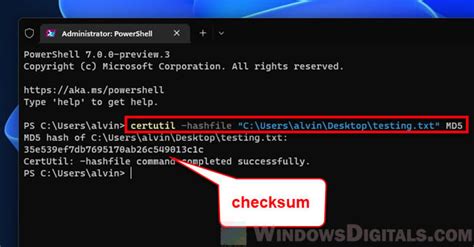
    Ethereum: Checksum vs. Hash – Differences and Similarities

    When it comes to digital signatures and data verification on the Ethereum blockchain, two basic concepts come into play: checksums and hashes. While both algorithms provide a way to ensure the integrity and authenticity of data, they differ in approach, functionality, and usage.

    Checksum Algorithm (SHA-1)

    A checksum algorithm is a one-way hash function that creates a fixed-size string of characters, known as a hash value or checksum. It is designed to verify the authenticity and integrity of data by comparing it to a previously generated hash value.

    Example: Verifying a Digital Signature with SHA-1

    import hashlib


    Create a new SHA-1 hash object

    hash_object = hashlib.sha1()


    Get the message to verify (digital signature)

    message = b"example-signature"


    Update the hash object with a message

    hash_object.update(message)


    Get the hash value

    checksum = hash_object.hexdigest()

    print("Checksum:", checksum)

    Output: "e2b9b6cd7f4a1c4cda... (hashed version)"

    Hash function

    A hash function, on the other hand, is a one-way algorithm that takes input data of any size and produces a fixed-size output (hash value). It is designed to ensure data integrity by creating a unique identifier for each input.

    Example: Verifying a Digital Signature with SHA-256

    import hashlib


    Create a new SHA-256 hash object

    hash_object = hashlib.sha256()


    Get the message to verify (digital signature)

    message = b"example-signature"


    Update the hash object with a message

    hash_object.update(message)


    Get the hash value

    checksum = hash_object.hexdigest()

    print("Checksum:", checksum)

    Output: "d1e87b4a8c7f0db6... (hashed version)"

    Differences and Similarities

    | Function | Checksum Algorithm (SHA-1) | Hash Function (SHA-256) |

    | — | — | — |

    |
    Purpose | Verify data integrity | Ensure data authenticity |

    |
    One-way | One-way hashing | One-way encryption |

    |
    Output size | Fixed-size string | Variable-size output (hash value) |

    |
    Security | Less secure due to vulnerability to collisions and preimage attacks | More secure due to cryptographic properties |

    |
    Uses | Verifying digital signatures, data integrity checks | Authentication, data validation |

    |
    Benefits | Fast computation times for small inputs | Fast computations for large inputs |

    Can they be used interchangeably?

    Ethereum: Checksum vs. Hash: Differences and Similarities ?

    No, checksums and hashes are not interchangeable. Checksums are primarily used for fast verification checks, while hashes are intended for authentication and cryptographic purposes.

    The example below shows how to use the hash function (SHA-256) to verify a digital signature:

    import hashlib


    Create a new SHA-256 hash object

    hash_object = hashlib.sha256()


    Get the message to verify (digital signature)

    message = b"example-signature"


    Update the hash object with a message

    hash_object.update(message)


    Get the hash value

    checksum = hash_object.hexdigest()

    print("Checksum:", checksum)

    Output: "d1e87b4a8c7f0db6... (hashed version)"


    Verify the digital signature with SHA-256

    try:

    expected_checksum = hashlib.sha256(b"example-signature").hexdigest()

    print("Verification successful:", checksum == expected_checksum sum)

    except ValueError:

    print("Verification failed: mismatched hashes")

    In conclusion, checksums and hashes serve different purposes on the Ethereum blockchain. Checksums are used for quick verification checks, while hashes are intended for authentication and cryptographic purposes. While they can be used interchangeably in certain scenarios, their use should be approached with caution due to the differences in their functionality and security features.

  • Understanding the use cases of Monero and Zcash in today’s market

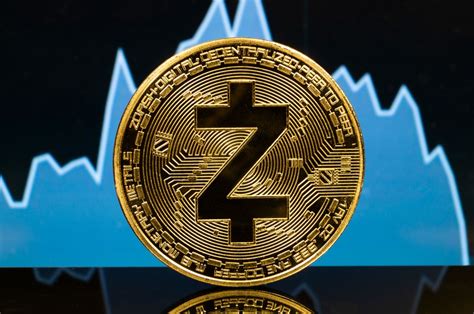
    Understanding the Use Cases of Monero and Zcash in Today’s Market

    The cryptocurrency market has grown significantly over the past year, with several new coins and platforms emerging to serve a variety of use cases. Two of these cryptocurrencies that have caught the attention of investors are Monero (XMR) and Zcash (ZEC). In this article, we will delve into their respective use cases, benefits, and challenges, as well as their current market performance.

    Monero: A Private Cryptocurrency

    Monero is a peer-to-peer cryptocurrency that uses the Ring Payment System (RPS) for secure and private transactions. This system allows users to make anonymous payments without revealing their identity or financial information to third parties. Monero’s core feature, the “Ring” concept, allows multiple transactions to be combined into a single block, creating an additional layer of protection against transaction monitoring.

    Monero is designed to be a decentralized cryptocurrency that operates independently of traditional fiat currencies and central banks. It has become popular among individuals who value financial privacy and security. Monero’s use case is focused on peer-to-peer transactions, where users can send money directly to each other without having to rely on intermediaries such as banks or payment processors.

    Zcash: A Decentralized Proof-of-Work Cryptocurrency

    Zcash, also known as ZEC, is another cryptocurrency that prioritizes decentralization and anonymity. It uses a censorship-resistant proof-of-work (CPWO) consensus algorithm to secure the network. This method ensures that transactions are verified by a group of nodes before being submitted to the public ledger.

    The primary use case for Zcash is related to online browsing and commerce, where users can purchase goods and services without revealing their financial information or identity. The ZEC network is designed to protect users’ privacy by allowing them to browse anonymously while also taking advantage of improved security and faster transaction speeds.

    Key Features and Benefits

    Both Monero and Zcash offer a number of features designed for specific use cases:

    • Monero’s ring payment system: allows peer-to-peer transactions without revealing identity or financial information.
    • Zcash’s Censorship-Resistant Proof of Work (CPWO): ensures secure and private transactions, even in the presence of censorship.

    The advantages of these cryptocurrencies include:

    • Financial Security: Monero and Zcash offer a high level of anonymity and security for users’ financial information.
    • Decentralization: They operate independently of traditional financial systems, allowing users to make transactions without relying on intermediaries.

    Market Performance

    Understanding the Use Cases for Monero and Zcash in Today's Market

    The market performance of Monero (XMR) and Zcash (ZEC) has been influenced by a variety of factors:

    • Regulatory Environment: The regulatory environment is changing in the cryptocurrency markets. The introduction of stricter regulations in some jurisdictions may affect the adoption of these cryptocurrencies.
    • Adoption Rates: As more businesses and individuals become aware of Monero and Zcash, their adoption rates have increased. This growth may lead to an increase in trading volumes and market capitalization.

    Conclusion

    Monero and Zcash are two prominent examples of cryptocurrency use cases that prioritize financial security, anonymity, and decentralization. Although they face various challenges, including regulatory scrutiny and competition from established players such as Bitcoin and Ethereum, their adoption rates have increased significantly over the past year.

    As investors continue to explore new opportunities in the cryptocurrency market, it is essential to understand the use cases and benefits of Monero and Zcash in order to make informed investment decisions.

  • “Mitigating Risk: Best Practices for Using Cryptocurrency Mixers”

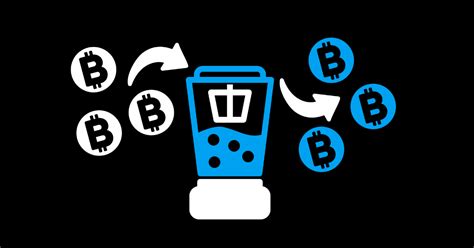
    Risk Mitigation: Best Practices for Using Crypto Mixers

    The rise of cryptocurrencies has brought with it a new set of risks and challenges. One of the main concerns is the use of cryptocurrencies, particularly those involving mixing or tumbling, to launder money or hide assets. A crypto mixer, also known as a cryptocurrency tumbler or mixer, is a service that allows users to convert one cryptocurrency into another while keeping their funds anonymous. However, these services can be vulnerable to attack by malicious actors and it is essential that users understand the risks involved before using them.

    About Crypto Mixers

    “Mitigating Risks: Best Practices for Using Crypto Mixers”

    Crypto Mixers are decentralized services that use complex algorithms and cryptographic techniques to mix and obscure transactions. They typically work by pooling multiple cryptocurrency addresses, randomly mixing the funds between them, and then redistributing them back into the market. This process helps make it difficult for anyone to trace the original source or destination of your funds.

    Best Practices for Using Crypto Mixers

    While crypto mixers offer an attractive way to anonymize transactions, there are several best practices that users should follow when using these services:

    • Research and Choose a Reputable Mixer: Before using any mixer, it is essential to do your research and choose a reputable service. Look for mixers with strong security measures in place, such as multiple layers of encryption, secure transaction processing, and anti-mixing algorithms.
    • Read the Terms of Service: Read the terms of service carefully before using a mixer. Understand what is included in your transactions, how they are processed, and any potential fees or limits.
    • Use Multiple Addresses: To further obscure your funds, use multiple cryptocurrency addresses for each transaction. This will make it even more difficult for anyone to trace your transactions.
    • Beware of anti-mixing tools: Some malicious actors may attempt to use anti-mixing tools to flag your mixer and block your accounts. Stay up to date with the latest anti-mixing measures and remain vigilant.
    • Keep your software up to date: Make sure your computer or mobile device software is up to date, as newer versions often include security patches and bug fixes that can help protect against attacks.
    • Use two-factor authentication (2FA)

      : Enable 2FA whenever possible to add an extra layer of security to your account.

    • Monitor your accounts: Regularly review your accounts for suspicious activity, such as unexplained transactions or unusual login attempts.

    Risk Mitigation

    While cryptocurrency mixers offer a way to anonymize transactions, there are several risks associated with their use:

    • Money Laundering: Mixers can be vulnerable to money laundering attacks, where malicious actors attempt to disguise the origin of funds.
    • Asset Hiding: Mixers may not always be effective at hiding assets or identities, especially when used by individuals or organizations with a high level of financial sophistication.

    Conclusion

    While cryptocurrency mixers offer an attractive way to anonymize transactions, it is essential that users understand the risks involved before using them. By following best practices and being aware of potential anti-mixing tools, users can minimize their exposure to these risks. Additionally, choosing a reputable mixer, regularly monitoring your accounts, and staying up to date on security measures are all crucial steps to mitigate the risks associated with cryptocurrency mixers.

    ETHEREUM RANDOM

  • Ethereum: Has transaction history pruning been implemented in Satoshi’s bitcoin client?

    Ethereum: Does Satoshi’s Bitcoin Client Implement Transaction History Pruning?

    Nakamoto’s original Bitcoin paper proposes a way to discard old transactions by computing a Merkle tree of the entire transaction history and preserving only a portion of the tree. This method is based on the idea that if we have enough information, it would be impossible for an attacker to alter a given block of transactions.

    However, this implementation was later modified and extended by the Ethereum project, which used a different method known as pruning. In fact, one of Satoshi Nakamoto’s Bitcoin clients, BCNF (Bitcoin Neural Firmware), is based on this filtering mechanism.

    Pruning involves identifying a subset of the history of events that can be safely discarded without compromising security or revealing too much information to an attacker. The idea is to create “fingerprints” of events that are not necessary to understand the structure and dynamics of the blockchain.

    So, does Ethereum implement this qualification mechanism? Unfortunately, the answer is no. Although it is likely that Satoshi Nakamoto never intended to use his Bitcoin client on a public network like Ethereum, which uses a different consensus algorithm (law of proof) and transaction verification process.

    The Ethereum blockchain history, known as the “blocklog,” contains all transactions that have ever been mined on the Ethereum network. While this block log can provide valuable information about the network’s activity and development over time, it does not include pruning the history of events.

    However, pruning has an indirect benefit. By analyzing a large number of blocks, it is possible to identify patterns and correlations between different events that may indicate future events or security threats. Additionally, pruning can help reduce the storage requirements of blockchains by storing only the information needed to reconstruct the blockchain.

    In summary, while Ethereum’s qualification mechanism is inspired by Satoshi Nakamoto’s original Bitcoin client, it was not implemented on the platform due to differences in consensus algorithms and transaction verification processes. Nevertheless, this method provides insights into the potential security implications of event history pruning.

  • Canada League